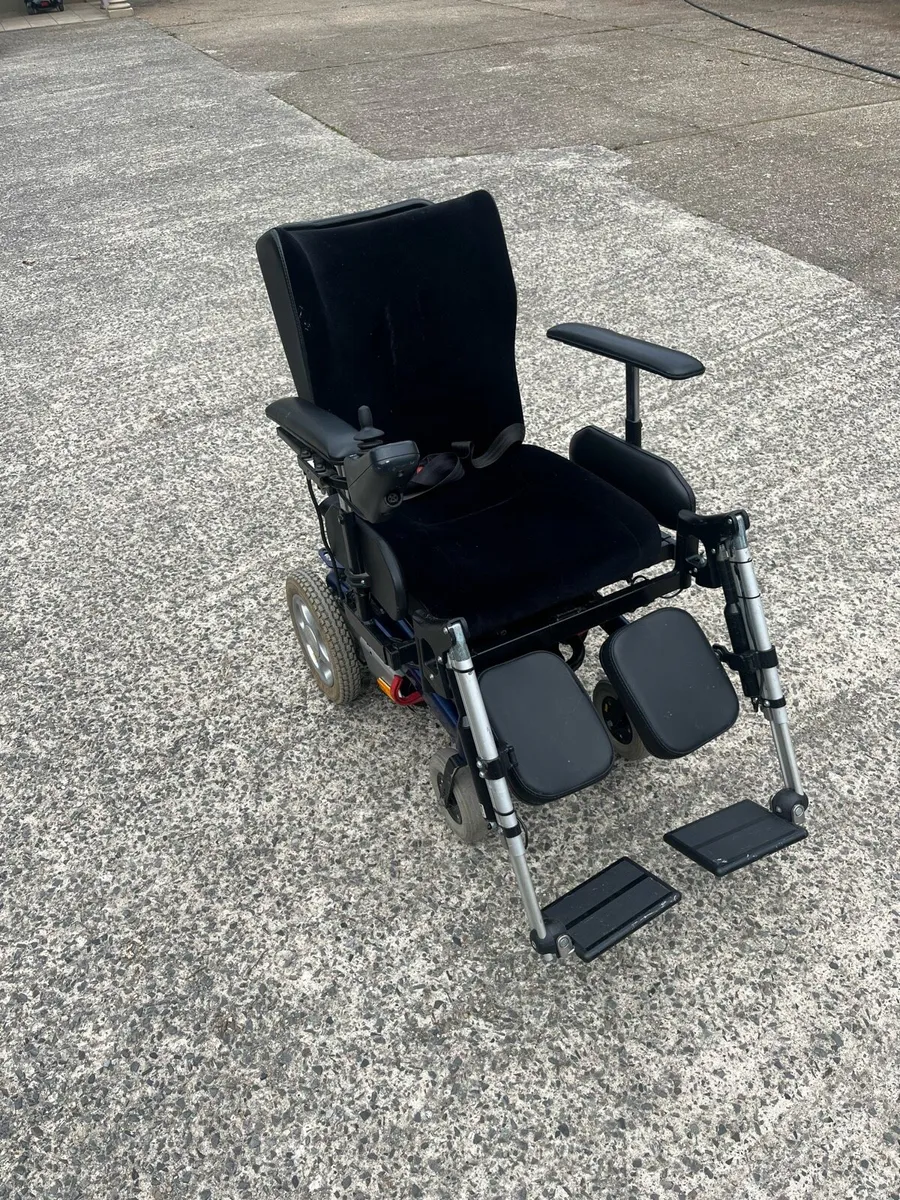
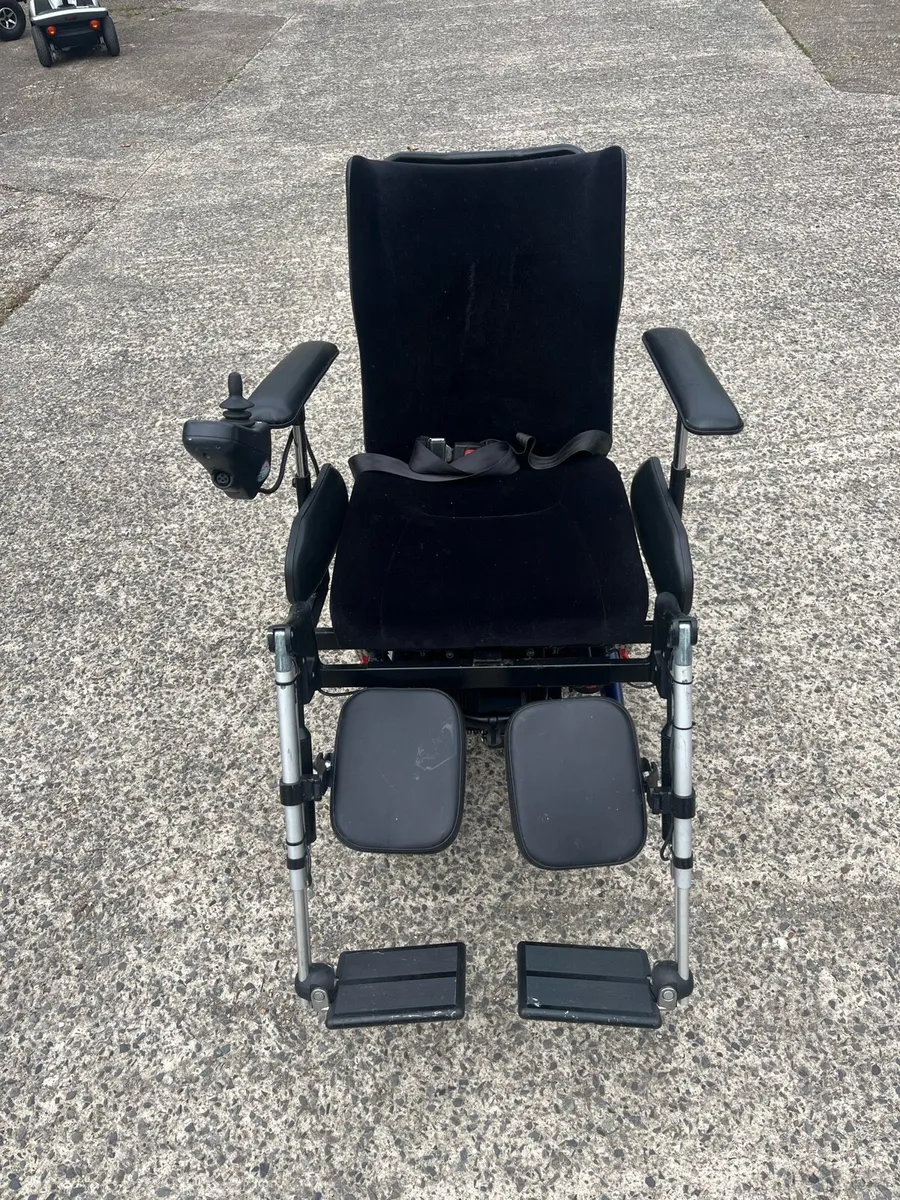
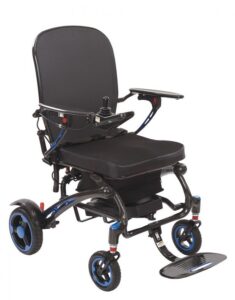
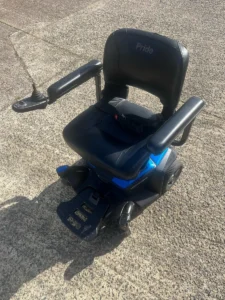
Electric wheelchairs are often more ideal for users with very limited mobility, and are often the better choice for frequent indoor use. They are typically designed with smaller wheels and a smaller turning radius, making navigation easier in tight or confined spaces.
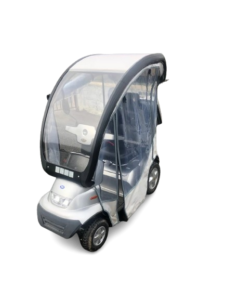
Comparatively, mobility scooters often have larger tires and larger batteries that make them more ideal for outdoor use. With their handlebar design, mobility scooters are also generally a more suitable option for users that have greater dexterity and less complex mobility difficulty.
Indoor and Outdoor Maneuverability
Electric wheelchairs are more compact and have a smaller turning radius, making them the most ideal option for environments such as homes, apartments, hospitals, airports and other indoor spaces.
Comfort and Seating
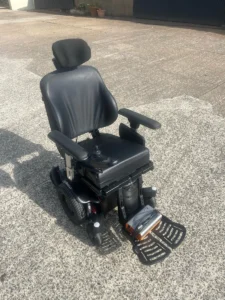
Electric wheelchairs often have more ergonomic seating and posture support, making them ideal for users who may have complex mobility complications due to conditions such as cerebral palsy, spinal cord injuries or other conditions that require more advanced mobility support.
User Control
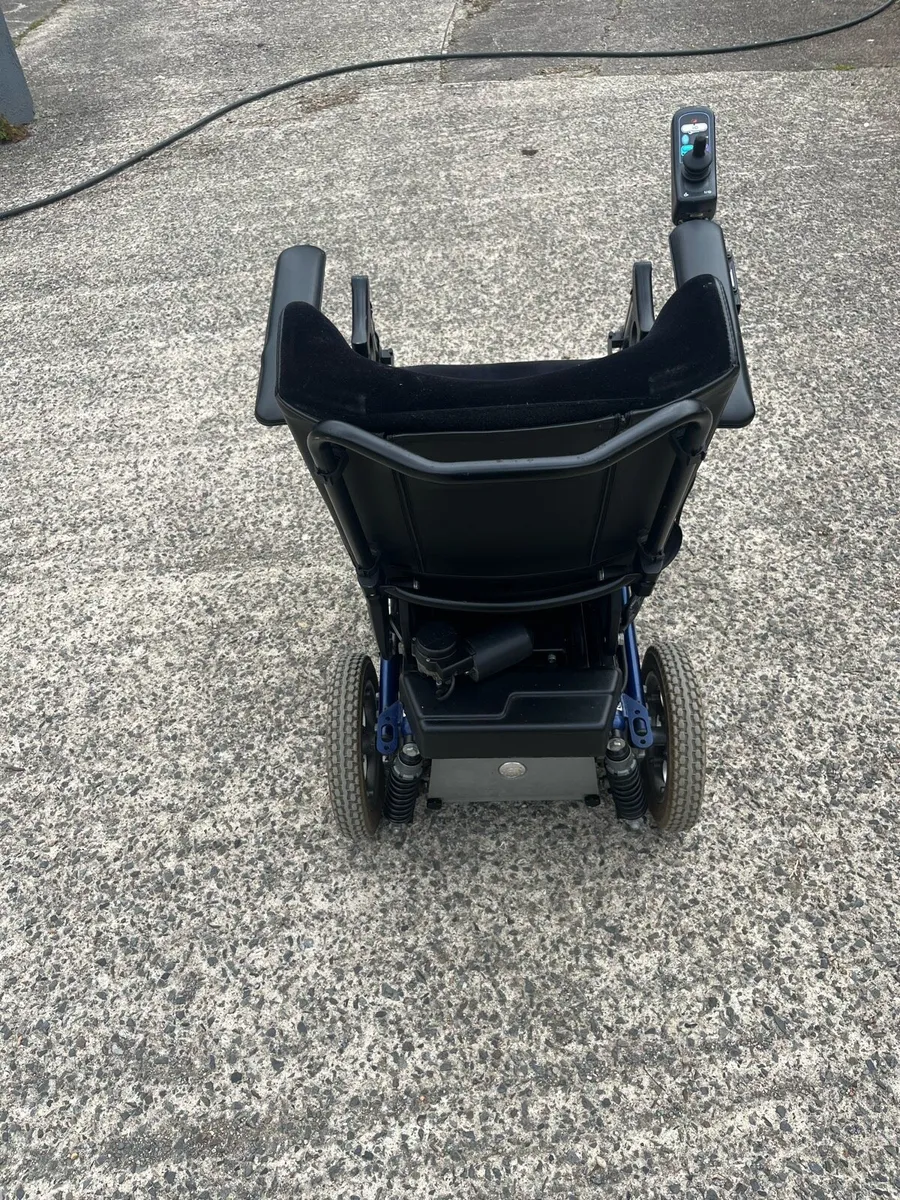
Electric wheelchairs are generally controlled with joysticks or switches, making them adaptable for users with limited hand or arm strength. Some models may include specialized controls that better cater users’ unique needs.
Portability and Storage
While many electric wheelchairs can be disassembled for transportation, they are often heavier and bulkier than mobility scooters. It is important to review the ease of loading and unloading, especially if you plan to travel with your device.